

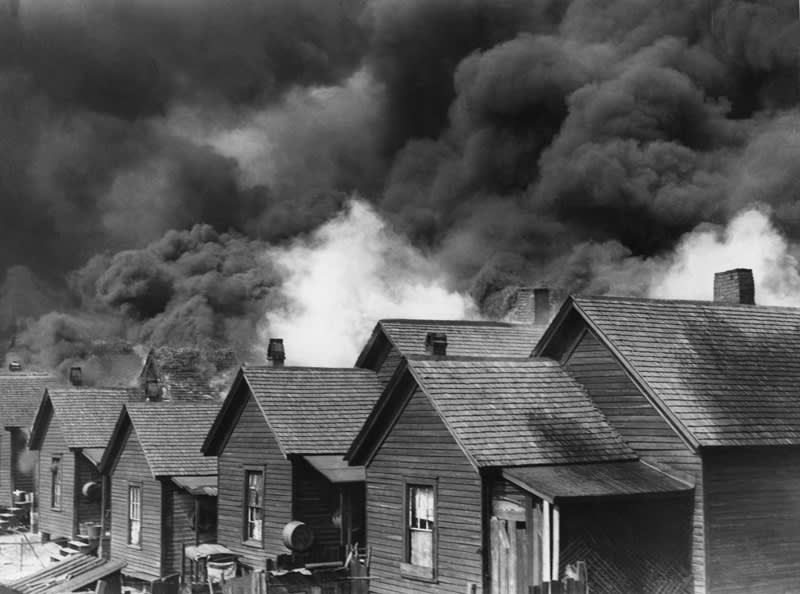

On May 21, 1917, Atlanta faced one of the most devastating events in its history — a fire that reshaped not only the city’s landscape but also the way we build and live today.
What reportedly began from a pile of trash that caught fire behind a home, and fueled by dry weather, high winds, and wood-shingled roofs, the blaze spread rapidly north through the Old Fourth Ward, Midtown, and Poncey-Highland. By the time it was contained nearly ten hours later, the fire had destroyed 1,938 buildings, burned 300 acres, and displaced more than 10,000 residents.
Firefighters fought courageously, even resorting to dynamiting homes, creating a firebreak to slow the flames when water pressure failed. By evening, entire blocks of homes, businesses, and churches had vanished.
A New Vision for the City
In rebuilding, Atlanta adopted new fire codes that banned wooden roofs and required more fire-resistant materials like brick, tile, and stone. The result? A wave of new construction in the 1920s and ’30s that gave rise to the brick Craftsman bungalows and Tudor-style homes that still line many of our streets today.
Streets were widened, utilities were modernized, and the entire urban core began to take on a more organized, modern form. What had been blocks of small wood-frame houses evolved into denser neighborhoods and commercial corridors.
From Ashes to Opportunity
While the fire displaced thousands, it also opened the door for new investment and development. Much of the burned area was rebuilt into what we now recognize as Midtown, Poncey-Highland, and the Old Fourth Ward — some of the most desirable and walkable neighborhoods in Atlanta today.
The fire also spurred the city to think differently about growth. It accelerated infrastructure improvements, influenced zoning laws, and created new expectations for urban design. Even now, when we admire the character and craftsmanship of early-20th-century homes, we’re seeing the direct legacy of that rebuilding effort.
If you live, work, or play in Midtown, Poncey-Highland, or the Old Fourth Ward, you’re part of that story. The very design of these neighborhoods — the wide tree-lined streets, the sturdy brick homes, the mix of historic charm and modern convenience — grew from lessons learned on that day in 1917
Read more about the Great Fire of 1917 at Atlanta Magazine
Sarah Tynes | 678-827-2653 | sarah@sarahtynes.com
#atlantafire1917 #atlantahistory #buildingcodes #firesafety